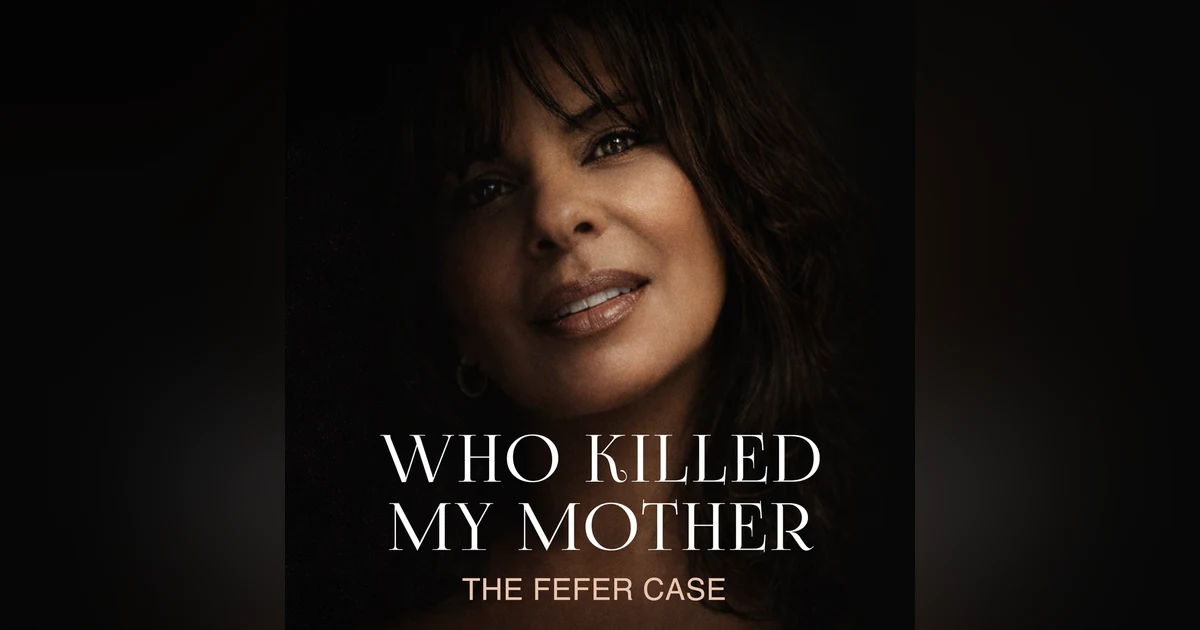
In August 2006, my mother, Myriam Fefer, was murdered inside our home in Lima, Peru. I was seventeen years old.
What followed was not just a murder investigation.
It became a story of wealth, betrayal, courtroom battles, media manipulation, and a killer who seemed to enjoy the spotlight. The case dominated headlines in Peru for years — and left behind questions that no verdict ever fully answered.
I wasn't just watching it unfold. I was living it.
For nearly a decade, I fought for justice. I challenged official narratives. I pushed for the killer's extradition to Peru before he could escape. I sat through every hearing, every twist, every moment when the truth felt close — and then slipped away again.
Eventually, I walked away. I left Peru. I built a life. I tried to stop looking back.
But some stories never let you go.
Why This Podcast Exists
Twenty years after my mother's murder, I am returning to this case — not as the grieving teenager who lived through it, but as the person I've become since.
I'm not setting out to solve what the justice system didn't. I'm trying to understand how a case with a convicted killer ended up, decades later, still unresolved — how it moved from investigation to trial to a question that was never fully answered.
Who Killed My Mother? The Fefer Case is a bilingual narrative podcast, available in English and Spanish, built from court records, police files, media archives, and conversations with people who were there. It is not a recap of headlines. It is an inside account from someone who had no choice but to be part of the story.
What You Will Hear
Episodes move between the deeply personal and the rigorously documented. You'll hear the story behind the public case — the grief that doesn't make the news, the institutional failures I witnessed, and the moments when the search for truth became something much more complicated than justice.
Some episodes will stay with you.
A Personal Note
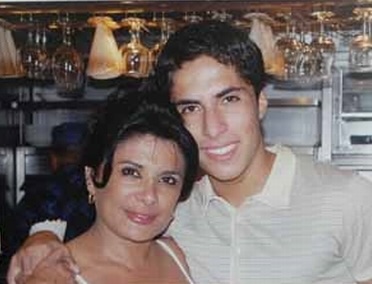
For a long time, I chose silence.
This podcast is my way of returning — with more distance, more clarity, and finally enough ground under my feet to ask the questions I wasn't ready to ask before.
I'm not the one who can deliver justice. But I can ask how this case went so wrong — and keep asking until someone has to answer.
Thank you for listening.